LLC "Azbuka Rosta"
St. Petersburg,
Chemical lane 1 JSC
Tel: +7 931 246-69-58
AgroBAD (AgroDietary Supplements) preparations
Fertilizer activator - fungicide - insecticide - 23-component micro-fertilizer - feed mixture
АгроБАД
AgroBAD
(AgroDietary Supplements)

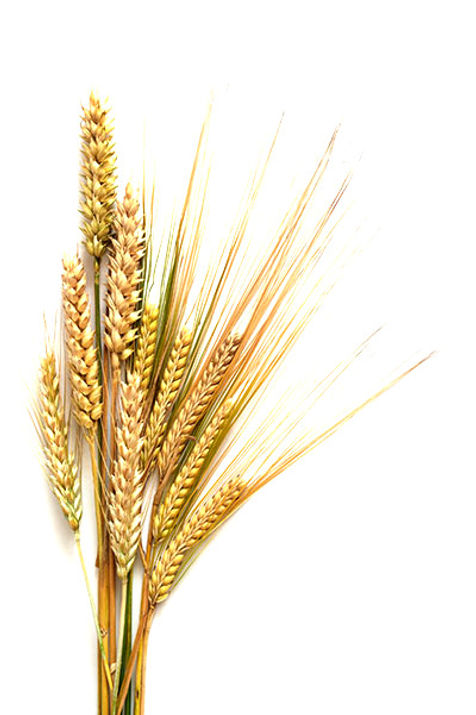

WHEAT, RYE, BARLEY, OATS, RICE and other grain crops
The use of the "AgroBAD Stimul" contributes to:
- the development of an extensive root system and the activation in its area of activity of groups of soil microorganisms symbiotic to plants, in particular, phosphorus-mobilizing and nitrogen-fixing bacteria, as well as bacteria producing antibiotic substances that enhance winter hardiness of winter crops by intensifying the accumulation of sugars, lowering the freezing point of cell plasma and deepening the occurrence of the tillering node;
- early recovery of spring vegetation;
- reducing the lodging of crops by strengthening the stem wall;
- increase yields by 15-40%.%;
- an increase of 1.5-4.0% in the content of gluten and protein in the grain.
THE NEED OF GRAIN CROPS FOR TRACE ELEMENTS
It is known that by the three-leaf phase, crops are fed only by the nutrients in the seed and its shell. Therefore, at this stage, seed treatment with a mixture of trace elements is especially important, since the plant is not yet able to absorb nutrients from the root system, even with sufficient amounts of them in the soil.
Grain crops are particularly susceptible to a lack of trace elements such as copper, sulfur, and manganese.
Copper increases the resistance of plants to adverse weather conditions, fungal and bacterial diseases. It provides phosphorus and nitrogen metabolism. Promotes protein synthesis. If there is a lack of copper, the leaves discolor and curl.
Sulfur is an integral part of proteins, is a part of two amino acids - cystine and methionine, participates in nitrogen metabolism, and plays an important role in redox reactions. When there is a lack of sulfur, protein synthesis is inhibited, plants stop growing, the content of non-protein forms of nitrogen and nitrates increases, and resistance to diseases, drought, and low temperatures decreases.
Manganese participates in the processes of photosynthesis, chlorophyll formation, synthesis of proteins and vitamins C, B, D. It plays an important role as a regulator of the concentration of plant hormones. Especially grains need manganese during the tillering period. In the case of a significant lack of manganese, pale yellow stripes and brown spots appear on the leaves. The plants look weak and drooping.
CORN
The use of the drug "AgroBAD Stimul" contributes to:
- the development of an extensive root system and the activation of associative and phosphorobil-iing bacteria in its area of activity
- increase the viability of seeds;
- increase photosynthetic productivity;
- stimulating the growth and development of plants;
- increasing the utilization rate of batteries from the soil;
- strengthening plant resistance to diseases and unfavorable soil and climatic conditions;
- improvement of the water content of cobs and the weight of 1000 grains of corn;
- improvement of grain quality indicators;
- increase crop yield by 10-35%.
MICROELEMENT REQUIREMENTS OF CORN
Traditionally, corn is considered an "indicator" of the content of microelements in the soil. Corn is sensitive to the use of zinc (Zn) , manganese (Mn), copper (Cu) and boron (B) . With a lack of these microelements, the growth and development of corn plants is inhibited and the productivity of the crop decreases.
Corn plants have two critical phases in terms of their micronutrient status:
- Phase of 3-4 leaves - the first tier of the secondary root system is formed, plants are able to consume nutrients only under favorable soil conditions. In this phase, in order to stimulate the growth of nodal roots, it is important to provide corn plants with manganese (Mn), zinc (Zn) and boron (B) in addition to phosphorus compounds. At the same time, the corn plants form a leaf apparatus, which also requires optimal provision with manganese (Mn), zinc (Zn) and copper (Cu).
- Phase of 6-8 leaves - the secondary root system of plants develops intensively, elements of generative organs (forks) begin to form and intensive growth of the leaf surface is observed. In this phase, the need for microelements increases: zinc (Zn), manganese (Mn), boron (B) and copper (Cu).

